

A weekend in Lovettsville can tell you more than a listing description ever could. Use these eight practical observations—from the pace of a Saturday morning to the feel of the roads after dark—to decide whether this northern Loudoun County setting matches the way you want to spend your everyday time.
Try the Place, Not Just the Property
Small-town living is not a single feature that can be checked off beside square footage or acreage. It is a rhythm: how errands fit into an afternoon, how far you are willing to travel for a favorite activity, and whether open views and a quieter evening feel restorative or inconvenient. Lovettsville sits near Virginia’s northern edge in Loudoun County, with a historic village center, surrounding rural roads, and access to larger destinations throughout the region. A deliberate weekend visit gives prospective buyers a useful, low-pressure way to experience those layers.
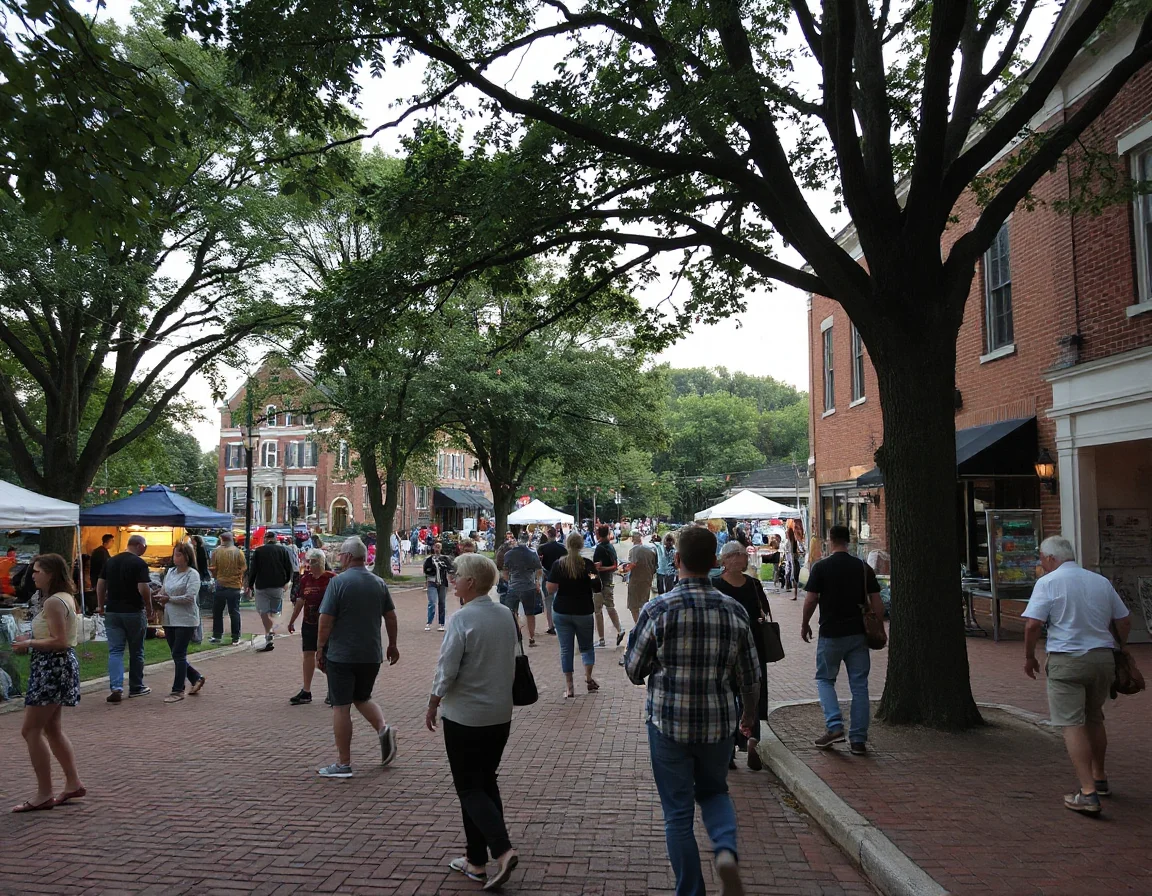
1. Start with an unplanned Saturday morning. Arrive without a tightly scheduled tour and give yourself time to walk around, get coffee, browse local options, and notice the pace of activity. Does the village center feel like a place where you would enjoy handling a few weekend errands? Are you comfortable with the number of choices nearby, or do you prefer the wider selection available in larger nearby communities? There is no universal right answer; the value is in recognizing your own preference.
2. Drive your likely weekly routes. A map can estimate mileage, but it cannot show how a road feels at the time you would actually use it. Test the route toward Purcellville, Leesburg, or other places you expect to visit regularly. Pay attention to turns, road character, fuel stops, groceries, medical services, and how the trip fits into your normal schedule. If you work remotely, test your home-to-errand route instead of focusing only on a traditional commute.
The most revealing drive is often the one you would make every week, not the occasional trip you would make for a special event. Repeat it at a realistic time of day before making a decision.
3. Listen for the sounds between activities. Spend a few minutes in a prospective neighborhood without music or a podcast playing. Depending on the location, you may hear birds, passing vehicles, agricultural activity, lawn equipment, or the ordinary quiet of a residential street. This simple pause helps separate the romance of a country setting from the practical sensory experience of owning there. It also makes room to notice road noise, train activity if relevant to the route, and the difference between a home close to the village and one farther out.
Pay Attention to the Everyday Details
4. Check your connectivity expectations. Internet and mobile service can vary by address, topography, provider, and plan, especially in more rural settings. Ask for current provider information, verify what service is available at the specific property, and test coverage during a showing when possible. For buyers who use video calls, connected devices, streaming, or remote work tools, this is a property-level question worth answering early rather than assuming consistency across an entire ZIP code.
5. Compare land maintenance with your available time. Lovettsville offers a range of property types, from village homes to residences with more land and outbuildings. More outdoor space can create room for gardens, gatherings, equipment, horses where permitted and suitable, or simply a broader visual buffer. It can also bring practical responsibilities: mowing, tree care, drainage, fencing, driveway upkeep, septic or well maintenance, and snow planning. Walk the perimeter if possible and imagine the calendar of care, not just the first sunny afternoon.
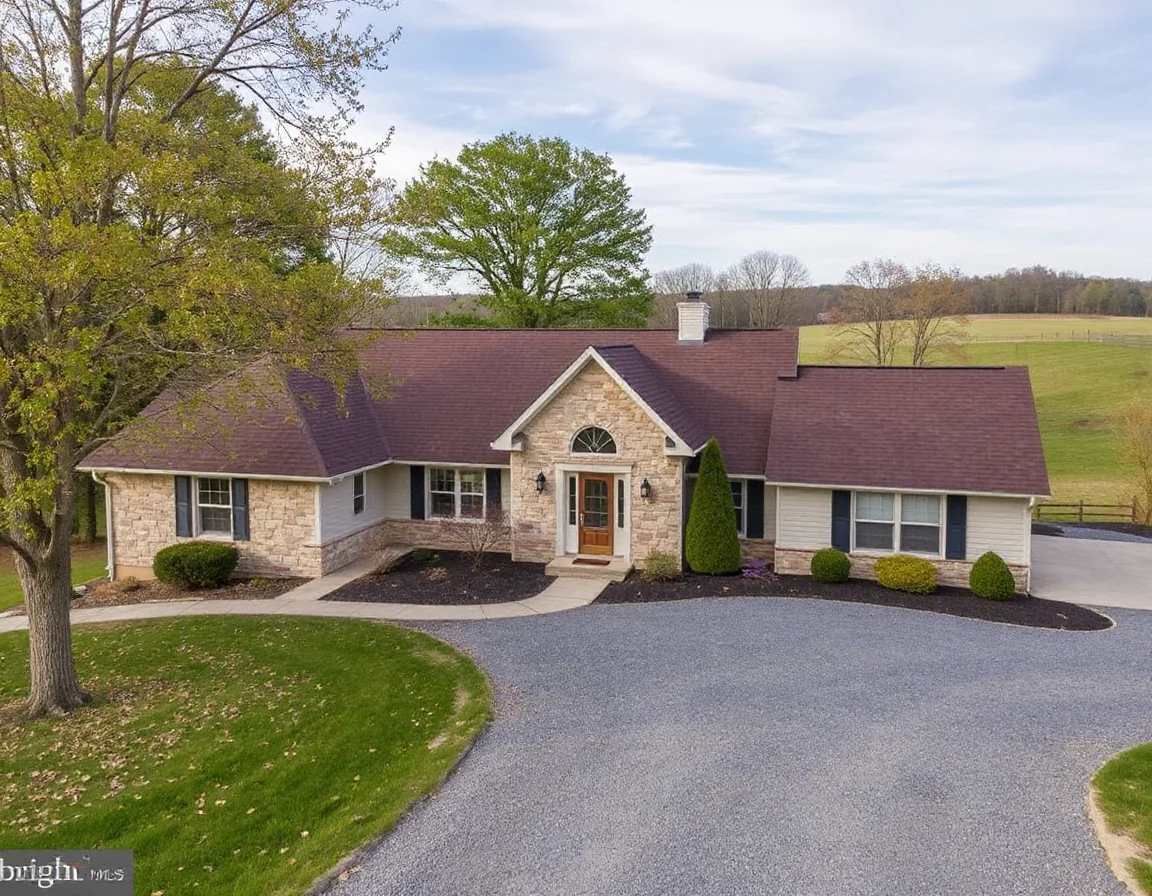
6. Explore the outdoors at your own pace. The surrounding Loudoun County landscape is part of the appeal for many buyers, whether that means scenic drives, local parks, cycling routes, equestrian facilities, or time outside close to home. Choose an activity you genuinely enjoy and do it during the visit. A short walk, a drive on rural roads, or an afternoon at a nearby outdoor destination can reveal whether the setting supports your preferred version of downtime. The goal is not to fill every hour, but to see whether the area gives you the kind of breathing room you value.
7. Visit after sunset. Evening changes the experience of every community. Return after dark to assess lighting, road visibility, driveway access, and the time it takes to reach the places you may need. This is particularly helpful for homes on country roads, where the landscape can look quite different after sunset than it does during a bright midday showing. Notice whether the quieter nighttime atmosphere feels comfortable and whether the practical parts of coming and going work for you.
For properties with wells, septic systems, acreage, barns, or older structures, build extra due-diligence time into your schedule. The strongest decision is an informed one, supported by appropriate inspections and property-specific records.
Use the Weekend to Define Your Priorities
8. Write down what you miss—and what you do not. At the end of the visit, make two short lists. On one side, note anything you wished were closer, faster, or more plentiful. On the other, record the moments that felt distinctly better than your usual routine: a slower drive, an open horizon, a walkable village block, or a home with space to pursue an outdoor interest. This exercise turns vague impressions into priorities that can guide a home search.
Lovettsville does not need to resemble every other part of Northern Virginia to be a compelling option. Its character is precisely in the balance between a close-knit village setting, rural surroundings, and access to the broader Loudoun County market. Buyers considering historic homes may focus on condition, updates, and preservation details; buyers looking at larger parcels may weigh maintenance, zoning, and access; others may simply want a home near the village center. Each path calls for a slightly different checklist.
When comparing homes, keep the weekend test in view. A property can be beautifully presented and still miss the practical elements that shape daily life. Conversely, a home that needs cosmetic work may sit in a location that feels immediately right once you understand the roads, amenities, and landscape around it. The best search process combines both perspectives: the house itself and the way the surrounding area supports your routines.
Local market knowledge is especially helpful when evaluating a small-town purchase, because homes may differ widely in age, land, systems, and setting within a relatively compact area. An experienced local professional can help you identify the questions that matter for a specific property, from utility information to inspection considerations and comparable sales context. Take the time to return for a second visit if a home remains on your shortlist. The right place should make sense on paper and feel workable when you picture an ordinary Tuesday—not only a pleasant weekend afternoon.