
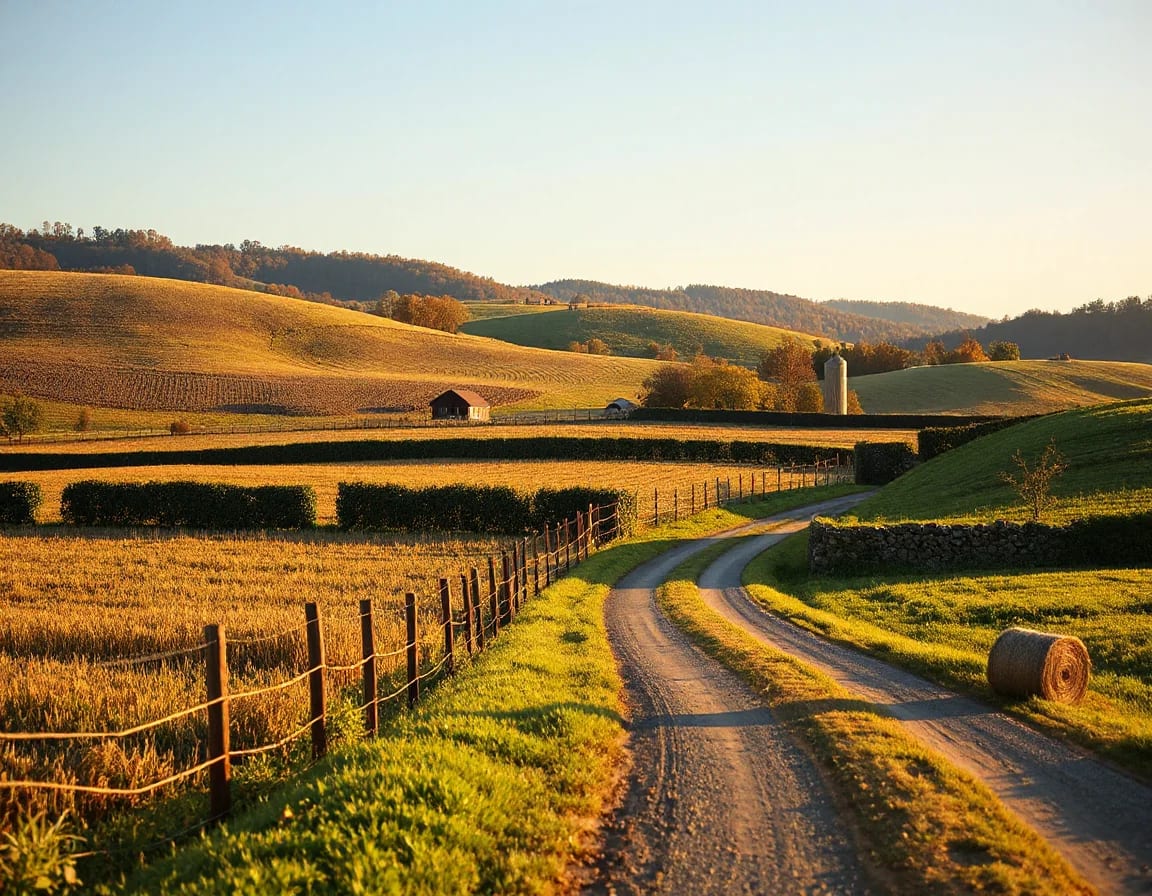
Country property near Purcellville can offer room to breathe, memorable views, and useful land—but the purchase price is only the beginning of the planning conversation. Knowing how wells, septic systems, private roads, acreage, outbuildings, and utilities affect your monthly and long-term budget can make it easier to compare properties with confidence.
The Real Cost Picture Behind a Country Property
Acreage and rural settings around Purcellville often come with features that do not appear in a typical neighborhood-home budget. A driveway may be longer, systems may be privately maintained, and a barn, fence line, or detached garage can add both utility and upkeep. None of these details should be treated as a surprise after closing; they are part of the property’s operating plan from day one.
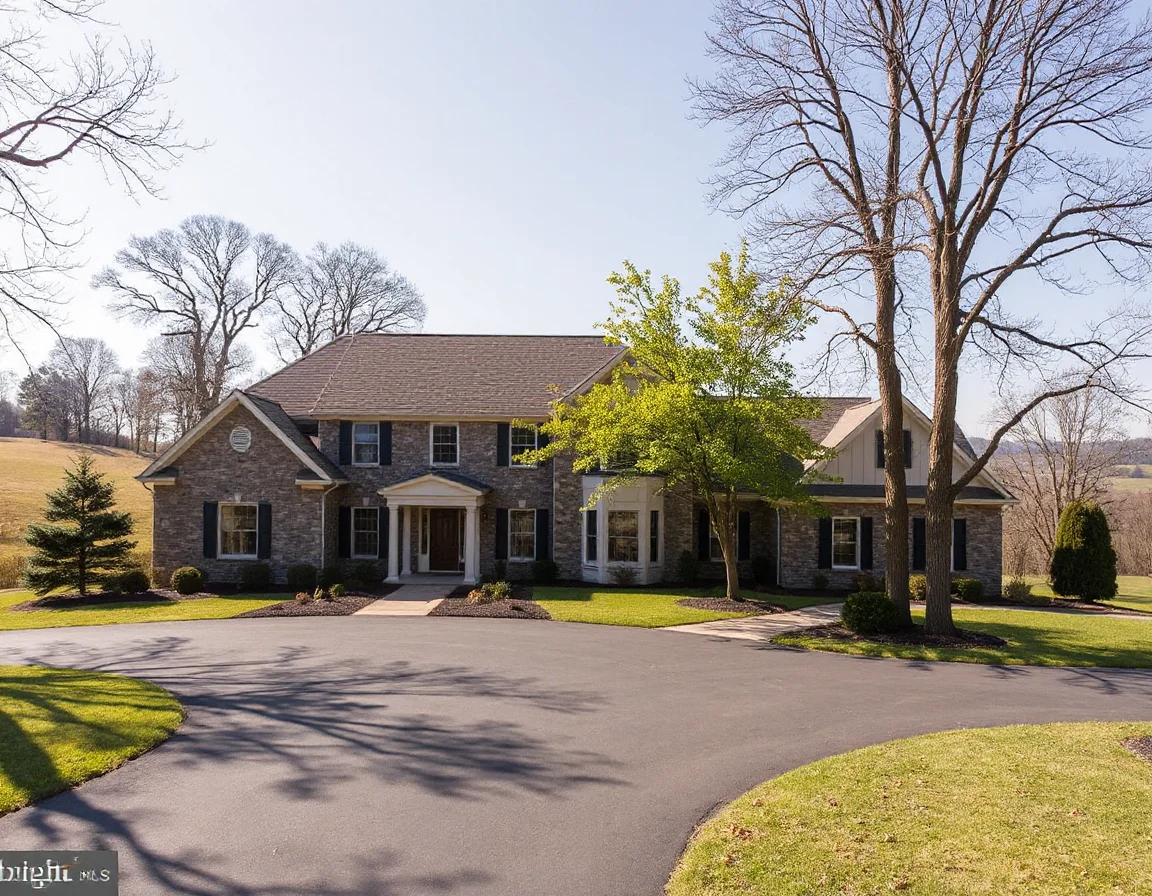
The useful question is not simply, “What will this home cost?” It is, “What will this particular property require over the next several years?” A thoughtful review of seller disclosures, inspection findings, service records, survey information, and contractor estimates can turn a beautiful setting into a well-understood financial decision.
In Loudoun County, two homes with similar square footage can have very different expense profiles. One may connect to public water and sewer with a short paved drive, while another may rely on a well and septic system, have several acres to mow, and include structures that need periodic attention. Here are six costs worth placing on your planning list before writing an offer.
1. Well Water Testing, Treatment, and Equipment
A private well is an asset that deserves regular attention. Before purchase, buyers commonly arrange water-quality testing and review available records for the well’s age, depth, yield, pump, pressure tank, and treatment equipment. Testing can identify items such as bacteria, mineral content, or other conditions that may influence treatment choices.
After closing, budget for periodic testing, filter changes, salt or treatment supplies where applicable, and eventual pump or pressure-tank replacement. Water use patterns, soil conditions, and system design vary by property, so it is wise to ask a qualified local professional what routine service is appropriate for the specific well rather than relying on a one-size-fits-all schedule.
A well inspection is more useful when paired with questions about water volume, treatment history, and the age of the pump and pressure tank—not just a passing laboratory result.
2. Septic Inspection and Future Maintenance
A septic system manages wastewater on-site, making its condition and capacity central to everyday ownership. An inspection can help clarify the system type, tank size, drainfield location, pumping history, and any recommendations for repair or monitoring. Buyers should also understand where the reserve area is located and whether site features limit future changes.
Routine pumping is generally less costly than repairing a neglected system, but the appropriate interval depends on tank size, household water use, and the system design. Keep records after closing, avoid placing heavy vehicles or structures over septic components, and make sure future landscaping plans respect access points and drainfield areas. These practical habits can help preserve a major property system.
3. Driveway, Drainage, and Private Road Work
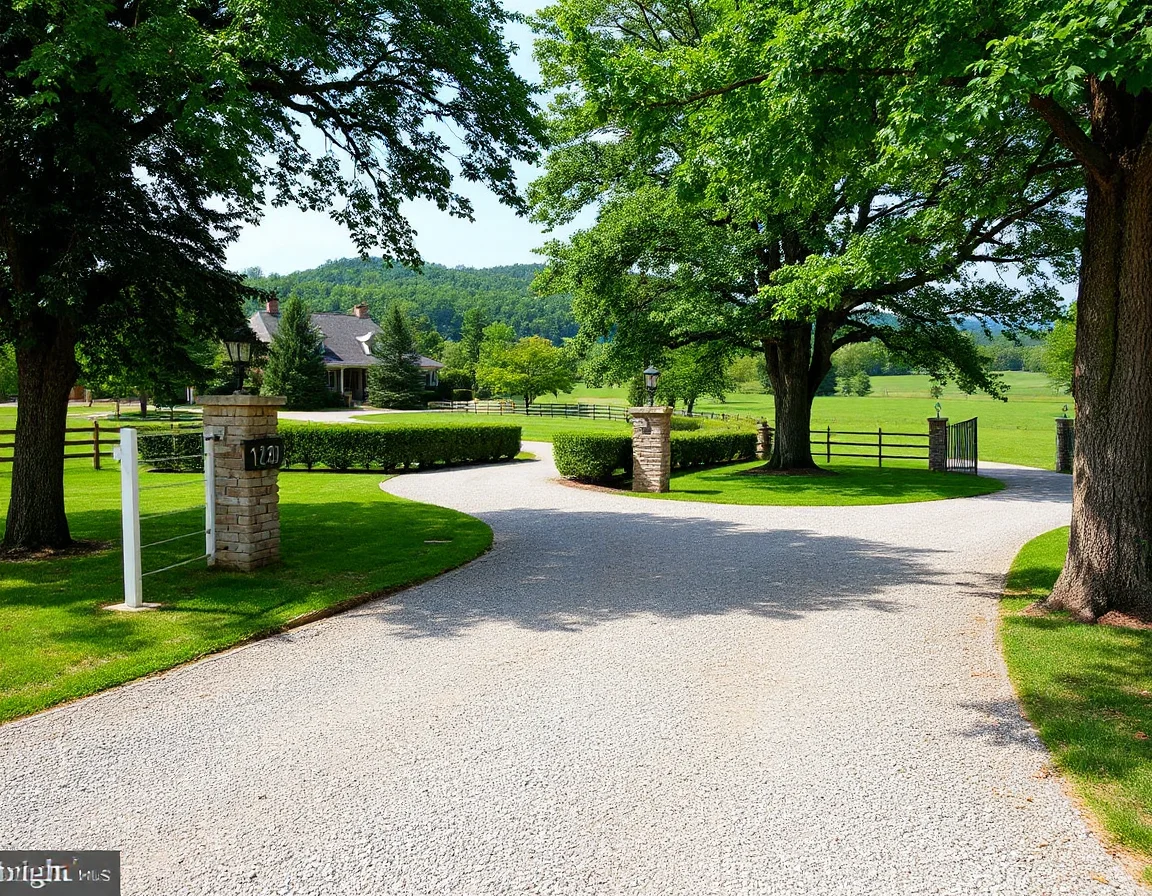
Long driveways contribute to the character of many Purcellville-area properties, but gravel, asphalt, culverts, gates, and drainage channels need upkeep. Heavy rain, freeze-thaw cycles, and ordinary vehicle traffic can create ruts, potholes, washouts, or standing water. A drive that looks tidy during a sunny showing may reveal more after a season of weather.
During due diligence, walk or drive the entire access route and ask about maintenance arrangements, recorded easements, shared-road agreements, snow removal expectations, and recent resurfacing. If the home is accessed by a private lane, confirm who is responsible for repairs and how costs are allocated. Also inspect the relationship between the driveway and drainage; moving water is often the detail that determines how frequently maintenance is needed.
Land and Structures Need Their Own Budget Line
Land can create flexibility, privacy, agricultural potential, and striking views, yet it is not maintenance-free. The amount of work depends on topography, vegetation, fencing, outbuildings, and how the property is used. Start with an honest assessment of what you plan to maintain personally and what you expect to hire out.
4. Acreage Care, Trees, and Fencing
Mowing several acres is different from caring for a modest yard. Depending on the landscape, owners may need mowing equipment or seasonal service, brush control, tree pruning, invasive-plant management, erosion attention, and occasional storm cleanup. Open fields can also require periodic reseeding or pasture management when applicable.
Fencing is another meaningful line item. Whether it marks boundaries, encloses a garden area, or supports an equestrian or agricultural use, fencing should be reviewed for material condition, gate function, posts, visibility, and repair needs. A current survey can be especially helpful when evaluating boundaries and improvements. Mature trees add beauty and shade, but an arborist’s perspective may be valuable when large limbs overhang a roof, drive, or utility line.
5. Barns, Sheds, Garages, and Other Outbuildings
Outbuildings can be a major advantage, offering storage, workspace, vehicle protection, or room for permitted property uses. They can also carry a separate maintenance schedule. Inspect roofs, siding, foundation condition, electrical panels, lighting, ventilation, drainage, doors, and any plumbing independently from the main house.
Older structures often have character, but buyers should ask whether improvements were permitted when required and whether their intended use is allowed under applicable county rules. A barn with worn roofing, a detached garage with aging wiring, or a shed with moisture damage may be manageable, but those costs belong in the initial budget rather than an indefinite future list.
When comparing two properties, price the land and outbuildings separately from the house. A lower purchase price can narrow quickly if the driveway, roof, fencing, and systems all need attention in the first year.
6. Utilities, Insurance, and Seasonal Reserves
Rural utilities deserve a careful review. Heating fuel may be propane, oil, electric, or another source; service costs can shift with usage and market conditions. Ask for recent utility bills, identify leased versus owned propane tanks, and verify internet and mobile-service options at the property itself. Coverage and availability can vary across a single area, particularly on wooded or more remote sites.
Insurance is another essential comparison point. Carrier requirements, rebuild-cost estimates, roof age, detached structures, wood-burning appliances, and distance from fire services can affect coverage and premiums. Request insurance quotes early enough to make an informed decision. It is also prudent to keep a seasonal reserve for weather-related items such as tree removal, gutter work, driveway repairs, or backup-power planning.
Plan Before You Fall in Love With the View
A country property is not defined by its challenges; it is defined by how clearly those responsibilities are understood. The strongest purchase strategy combines a realistic maintenance reserve with specialized inspections, complete questions for the seller, and enough time to evaluate the full site—not just the home’s interior.
For buyers exploring Purcellville and the surrounding Loudoun County countryside, a property-by-property approach matters. Review the systems, walk the land, understand access, and estimate near-term projects before making final decisions. With a practical plan in place, the rewards of country living can be enjoyed with far fewer surprises.