
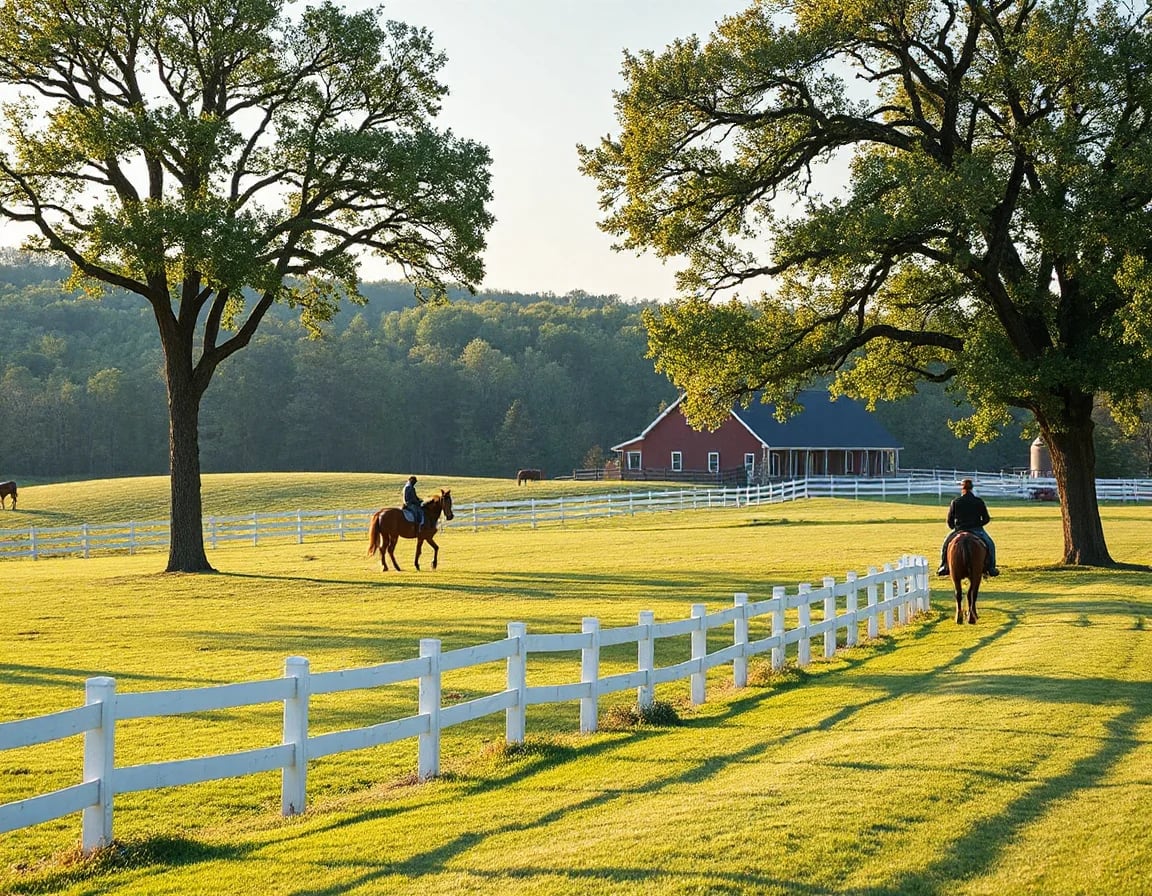
A horse property is more than a house with acreage: it is a working combination of land, water, access, structures, and local rules. In Northern Virginia, thoughtful due diligence can help buyers understand whether a property’s existing barns, fencing, fields, and riding areas match their plans before moving forward. This guide outlines the practical questions worth asking from the first showing through contract review.
Start with the Land, Not Just the Listing Photos
Horse properties across Northern Virginia can range from compact parcels with a small barn to larger estates with multiple fields, run-in sheds, riding rings, and agricultural infrastructure. The setting may be beautiful, but buyers should look beyond the view and evaluate how the land actually functions. A gently rolling field, for example, can be appealing while still presenting drainage, footing, access, or maintenance questions that deserve a closer look.
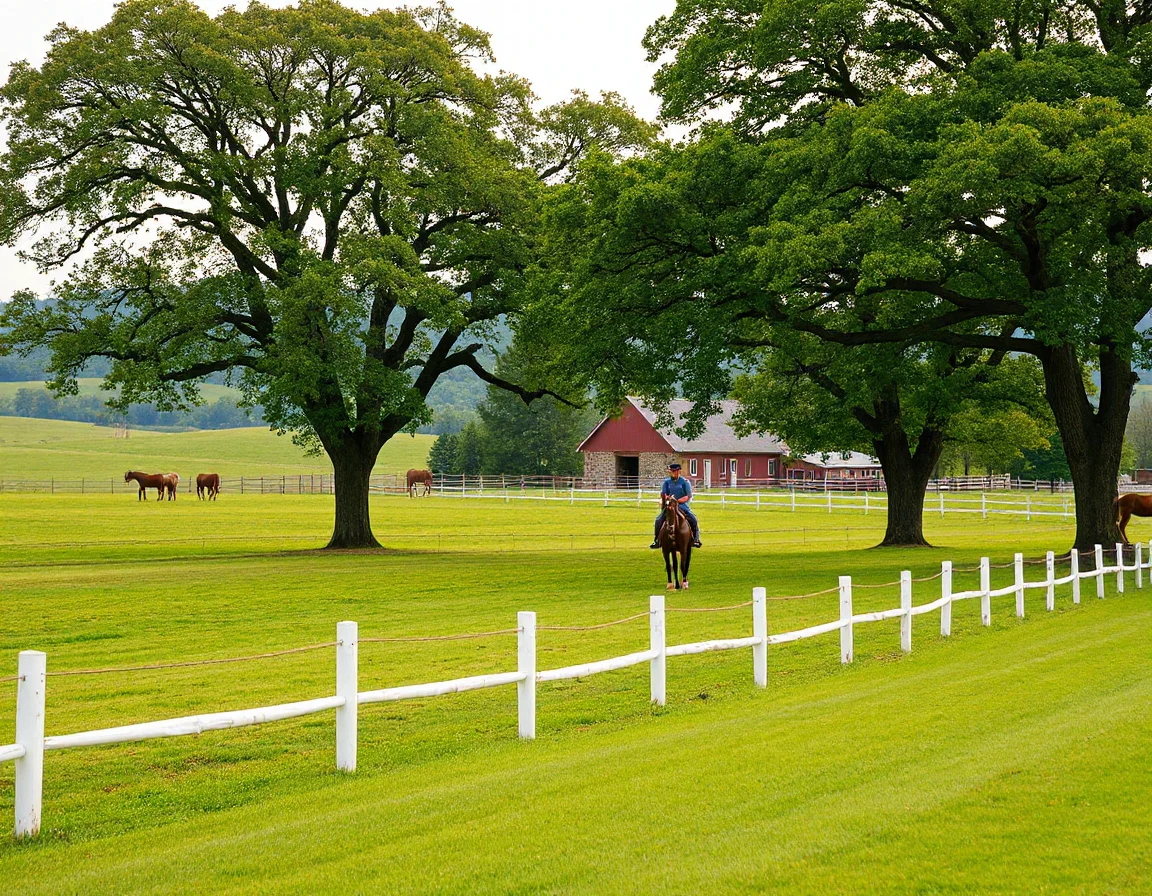
Begin by considering the usable acreage rather than relying on the total acreage number alone. Steep slopes, wooded areas, wetlands, stream buffers, easements, and irregular parcel shapes can all affect where horses may be turned out, where a ring could be placed, or how equipment can move around the property. Walk the perimeter when possible, note gate locations, and ask whether fences follow the property lines or sit inside them. Survey records and title review can help clarify those details.
Water is another essential part of the conversation. Ask how the residence and barn are supplied, whether there are separate hydrants or water lines for fields, and what winter access looks like. A spring-fed pond or creek may be an attractive feature, but it should not be assumed to be a reliable livestock water source without understanding water quality, access, and any applicable restrictions. Drainage around barns, paddocks, and sacrifice areas is equally important, particularly after periods of rain.
A property with fewer acres of well-drained, accessible pasture may be easier to manage than a larger tract where much of the ground is steep, wooded, restricted, or difficult to reach with equipment.
Road access deserves the same scrutiny. Consider whether trailers, hay deliveries, manure-management vehicles, and emergency vehicles can enter, turn around, and exit without difficulty. A long private drive may add privacy and visual appeal, yet its grade, surface, maintenance agreement, and clearance should be understood. If the property is served by a shared lane, request the recorded agreement and confirm responsibilities for repairs, snow removal, and access.
Evaluate Barns, Fencing, and Riding Facilities as Working Systems
A barn can be a major value component, but condition and layout matter more than stall count alone. Look at roof age, ventilation, aisle width, electrical service, lighting, water access, drainage, and the condition of stall walls and doors. Notice whether the barn has a practical route between stalls, tack storage, feed storage, wash areas, turnout fields, and trailer parking. An attractive structure may still need updates to meet an owner’s operating preferences.
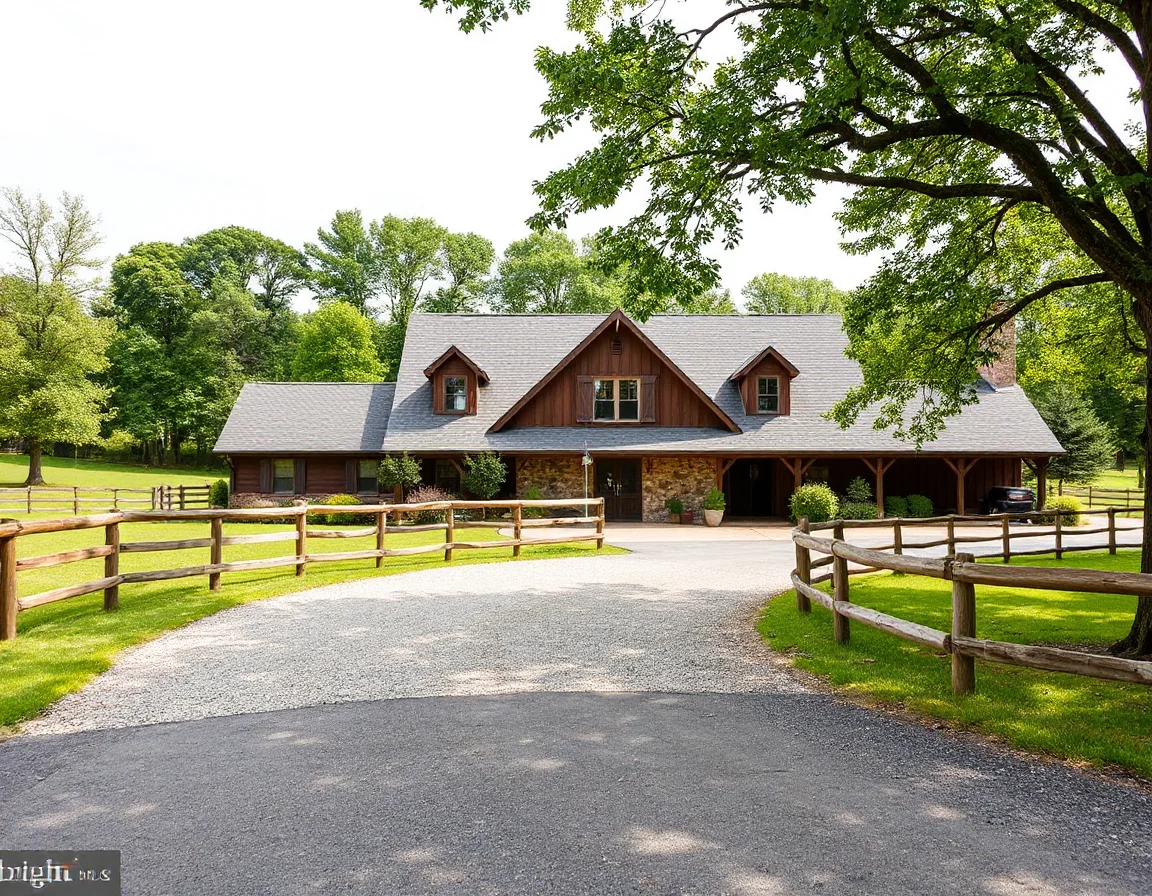
Fencing should be inspected with a practical eye. Check the type of fencing, visible condition, gate hardware, spacing, corner bracing, and relationship to neighboring parcels. Electric systems, if present, should be evaluated for function and safety by a qualified professional. It is also useful to identify whether all fields are directly accessible from the barn or whether horses and equipment would need to cross a driveway, road, or neighboring access area.
For properties with an arena, examine the base, surface material, drainage, lighting, and location relative to trees and runoff. A ring that looks level from a distance can develop low spots, compacted footing, or water issues over time. Ask about maintenance routines, recent resurfacing, and whether the riding area is permitted or grandfathered where applicable. Indoor arenas, covered rings, and specialized facilities may require additional attention to structural condition, ventilation, and insurance considerations.
Storage often becomes a daily operational issue. Hay, bedding, tractors, trailers, manure equipment, and maintenance tools all need dedicated space. Separate hay storage can be preferable from a fire-safety perspective, while covered equipment parking may preserve machinery and reduce clutter around the barn. Consider the practical flow of chore routines rather than focusing only on the visual presentation of the property during a showing.
Explore Middleburg horse country
Understand Zoning, Restrictions, and Future Plans
Before making assumptions about how a property can be used, review the applicable zoning district, recorded covenants, easements, and county requirements. Regulations can affect the number of animals, placement of structures, commercial boarding or training activity, signage, event use, and future construction. Rules vary by jurisdiction and can change over time, so a buyer should confirm current information directly with the appropriate county offices and qualified local advisers.
If a future barn, arena, guest structure, fencing project, or additional dwelling is part of the plan, investigate feasibility before closing whenever possible. Ask about setbacks, stream and floodplain constraints, soil conditions, septic capacity, building permits, and access for construction equipment. In some cases, a site visit by a contractor, engineer, septic professional, or experienced barn builder can provide useful perspective early in the process.
Conservation easements are common in parts of Loudoun County and the surrounding countryside. They can preserve open land and scenic character while also limiting subdivision, new structures, or certain land uses. An easement is not automatically a drawback; it is simply a document that should be read carefully so buyers understand both the protections and the obligations connected to the parcel.
Do not overlook operating costs. Property taxes, insurance, fencing repairs, footing maintenance, tree work, driveway upkeep, manure management, utility service, and seasonal field care can add up. Requesting utility history, maintenance records, well and septic documentation, and information about current service providers can help build a more realistic ownership budget.
Build a Due-Diligence Team Before the Contract Deadline
Horse-property transactions benefit from specialists who understand both residential real estate and rural infrastructure. A standard home inspection is important, but it may not fully address a barn’s structural condition, an arena’s drainage, a well’s output, septic capacity, fence condition, or field management. Depending on the property, buyers may want inspections or consultations from qualified tradespeople who can assess the features that matter to their intended use.
Order and review the survey, title materials, septic records, well information, permits, and any agreements affecting shared roads or utility access. If the property includes leased fields, boarding arrangements, farm equipment, or agricultural tax classifications, clarify what conveys, what terminates at closing, and what obligations may remain. Clear written answers are more useful than verbal assurances when planning a significant purchase.
The most rewarding horse properties are usually the ones where the residence, land, improvements, and long-term goals work together. Whether the priority is a manageable barn, open pasture, a riding facility, or simply room to enjoy Northern Virginia’s rural landscape, careful evaluation helps turn a compelling listing into a confident decision. Take time to see the property in different weather conditions, ask detailed questions, and make each due-diligence period count.