
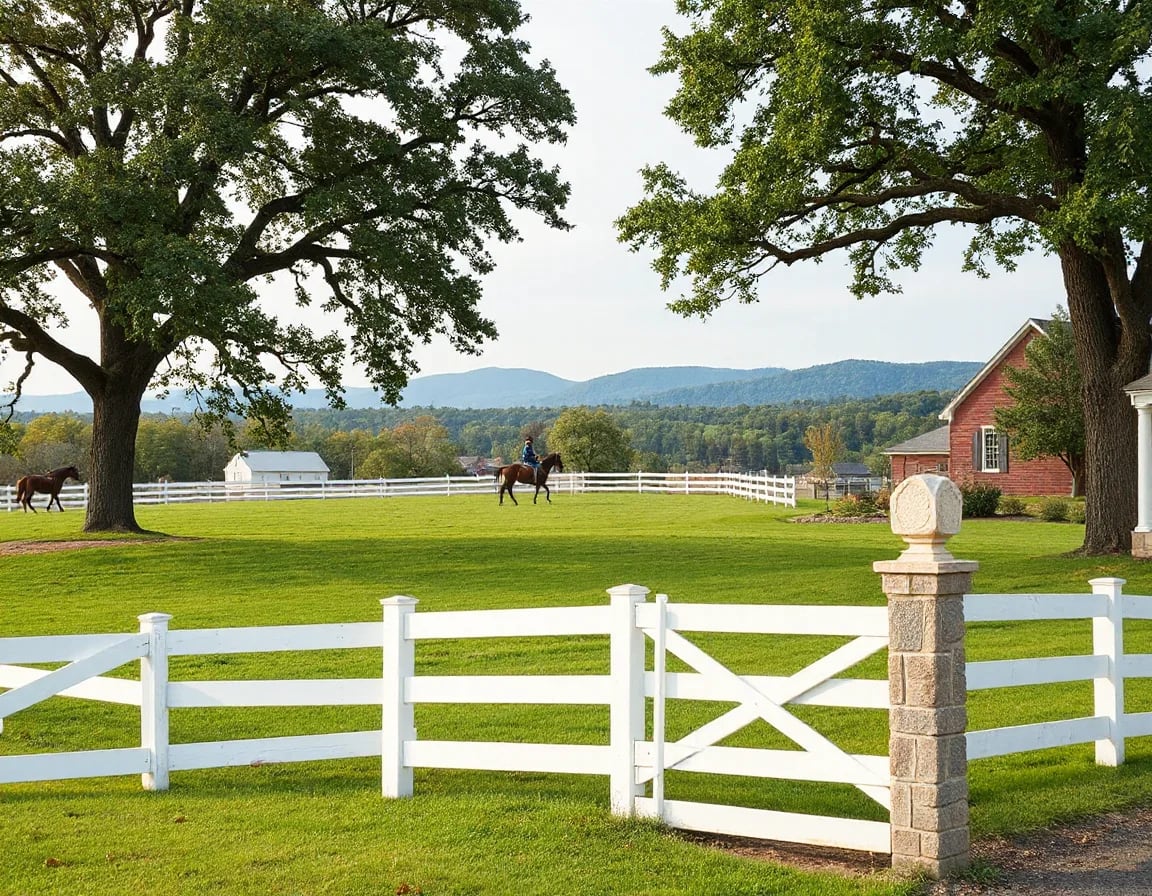
A Middleburg horse property is more than a home with acreage: it is a working environment shaped by land, water, access, facilities, and local rules. Asking the right questions before making an offer can help buyers compare properties with clarity, plan realistic improvements, and protect the long-term usefulness of the estate.
Start With the Land, Not Just the Barn
In and around Middleburg, Virginia, an attractive stable and handsome fencing can make an immediate impression. Yet the most important features of an equestrian property often sit below the surface or beyond the barn doors. Terrain, drainage, road access, permitted uses, and the condition of the farm infrastructure all influence how a property performs day after day. Before falling in love with the view, take time to understand what the land can support.
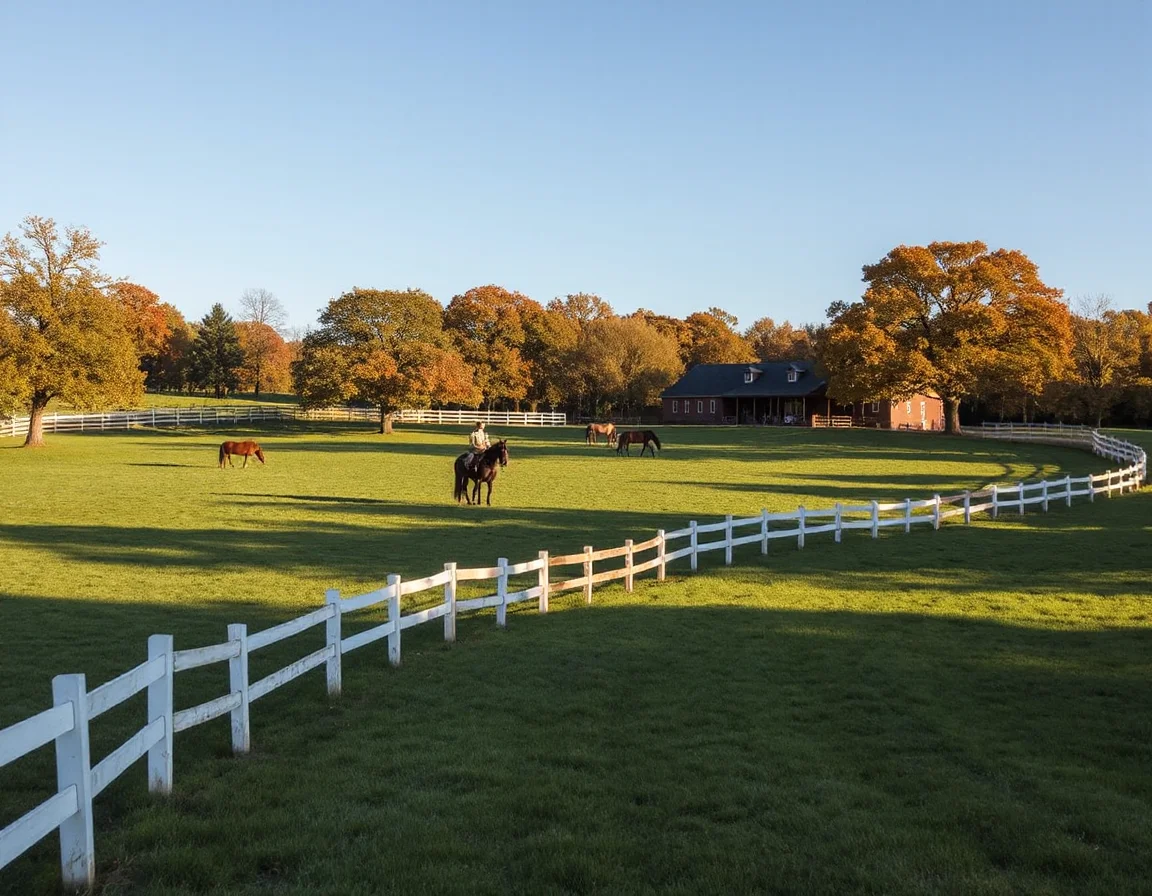
Properties in Loudoun County can vary significantly from one parcel to the next. Some offer open, gently rolling fields; others include wooded acreage, steeper grades, stream corridors, or conservation limitations that shape where improvements may be placed. A thoughtful tour should extend beyond the residence and main barn to include every paddock, gate, run-in shed, riding area, equipment route, and water source.
Bring a practical lens to each showing. Notice whether fields connect efficiently, whether trailers can turn around without difficulty, and whether daily chores require crossing a public road or navigating a steep drive. These details may seem minor during a first visit, but they can have a major effect on routine maintenance, seasonal access, and future planning.
1. How Usable Is the Acreage?
Ask for more than the total acreage figure. The useful question is how much of that land is practical for pasture, turnout, riding, buildings, and circulation. Slopes, tree cover, wetlands, easements, and protected areas can reduce the portion of a parcel available for active use. A survey, aerial map, and a walk of the boundaries can help clarify the picture.
2. What Is the Condition of the Soil and Drainage?
Healthy footing and well-managed water are central to a functional horse property. Look for signs of standing water, rutted high-traffic areas, erosion near gates, or runoff moving toward barns and feed storage. Ask about soil testing, pasture management, drainage work, and the location of any underground utilities. Qualified inspectors, contractors, and equestrian land professionals can provide guidance tailored to the property.
The most appealing pasture on a dry afternoon may behave very differently after a sustained Virginia rain. Schedule a second visit when conditions are wet, if possible, and ask where water typically travels across the property.
Evaluate the Facilities as Working Infrastructure
A horse property should be evaluated much like a specialized business asset: visually appealing features matter, but durability, layout, and maintenance history matter just as much. A center aisle barn, an outdoor ring, or a handsome board fence may be valuable, yet each deserves a close review of construction quality and ongoing care.
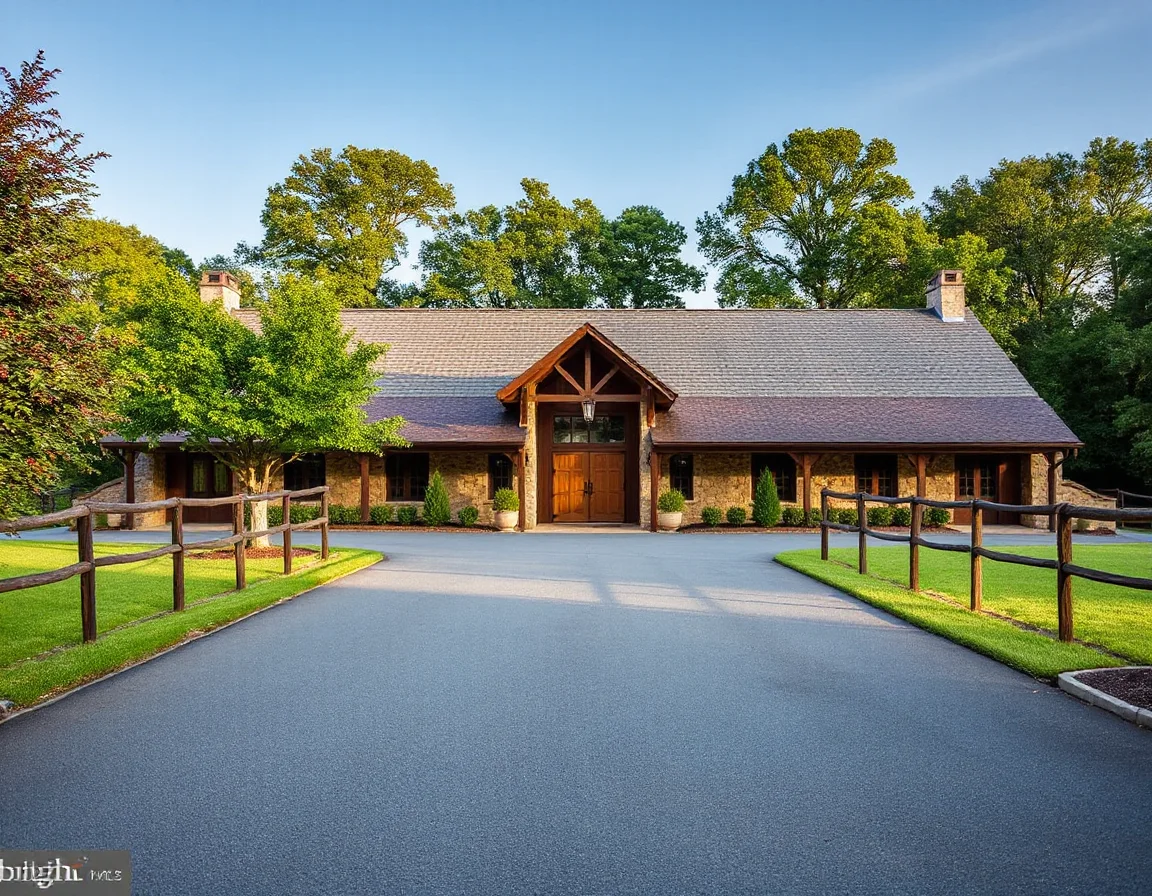
3. Does the Barn Layout Match Your Plans?
Count stalls, but also consider their dimensions, ventilation, lighting, aisle width, storage, wash areas, feed rooms, tack space, and proximity to turnout. Ask how the barn is supplied with water and electricity, whether the electrical system has been updated, and how manure is managed. If the property includes a staff apartment, guest space, or office, confirm its condition and permitted status as part of the due diligence process.
For some buyers, an existing barn is ready to use with only modest improvements. For others, the best fit may be a property with strong land fundamentals and room for a future facility. Either path can work well when the cost, timeline, and approvals are understood before closing.
4. What Do the Riding Areas Need?
Inspect every ring, field, trail connection, and schooling space with an eye toward surface, drainage, dimensions, fencing, and maintenance. An arena surface that looks level may still require significant work below grade. Ask when the footing was last replaced or refreshed, what materials were used, whether irrigation is present, and how water is removed after storms. If a property borders larger riding country or has access to nearby routes, verify the nature of that access rather than relying on informal assumptions.
5. Are Water, Fencing, and Utilities Reliable?
Reliable water is a daily necessity. Determine whether the property uses a well, shared system, or another source, and request available records on well yield, water quality, pumps, and distribution lines. Walk the fencing closely: note the material, post condition, gate hardware, visibility, and any sections that may need replacement. Also ask about internet options, backup power, propane tanks, septic service, and the age of major mechanical systems.
Confirm the Rules, Costs, and Long-Term Fit
Every buyer’s intended use is different, and a property should be checked against that plan before an offer is finalized. Zoning, conservation easements, homeowner or road-maintenance agreements, and county regulations may affect the number of horses, additional structures, commercial activities, event use, or changes to the land. The goal is not to assume limitations; it is to document what applies to the specific parcel.
6. What Restrictions, Easements, or Approvals Apply?
Request copies of recorded easements, plats, covenants, prior permits, and any conservation documentation early in the process. Easements may reserve access rights, utility routes, drainage areas, or trail corridors. Conservation protections can preserve the rural character of a property while also limiting subdivision or future building locations. Review documents with appropriate legal, land-use, and tax advisers so that the details align with your plans.
7. What Will Ownership Cost Beyond the Purchase Price?
Prepare a realistic annual budget that includes insurance, property taxes, utilities, fence repair, pasture care, arena maintenance, equipment, landscaping, road upkeep, and capital reserves for roofs, drainage, and mechanical systems. Larger acreage can offer privacy and flexibility, but it also brings more systems to monitor. A seller’s utility history and maintenance records provide a useful starting point, while local service providers can help estimate recurring costs.
It is also wise to consider the property’s resale story. Features with broad appeal—well-maintained land, dependable infrastructure, an inviting residence, and flexible usable acreage—can support value over time. Highly customized improvements may be exactly right for one owner’s goals, but should still be assessed in the context of the Middleburg market and likely future buyers.
Make the Purchase a Deliberate One
Buying a horse property in Middleburg is an opportunity to combine a home, land, and equestrian facilities in one distinctive setting. The strongest decisions come from balancing the emotional response to a beautiful property with disciplined investigation of its practical systems. Tour slowly, ask for records, assemble experienced inspectors and advisers, and leave room in the budget for the improvements that matter most.
With those seven questions in hand, buyers can move from broad interest to informed comparison. Whether the right property is a polished estate, a historic farm, or acreage ready for a new vision, careful due diligence helps ensure that the land and facilities support the way the property is meant to be used.